Introduction
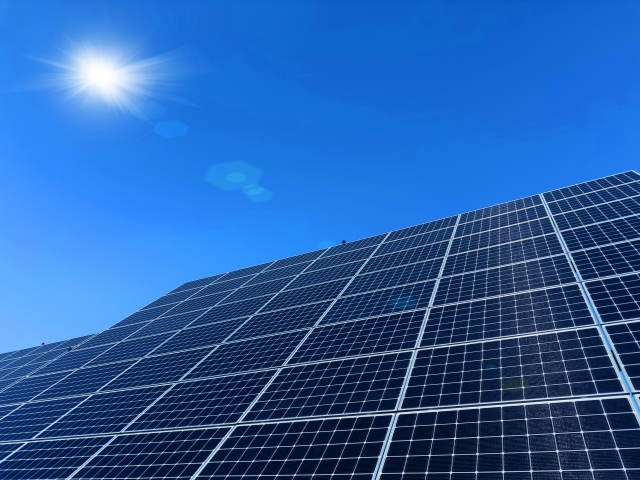
This article will explain the Fifth Large Scale Solar Program (LSS5, also known as LSS-Peralihan Tenaga SuRia, or LSS PETRA, but for the purposes of this article we will use the term LSS5), for which applications began being accepted in April of this year.
Purpose of LSS5
The purpose of LSS5 can be simply said to be to promote the introduction of renewable energy.
In Malaysia, electricity retail is monopolized by state-owned enterprises such as Tenaga Nasional Bhd (TNB), so renewable energy power generation companies are not able to sell electricity directly to consumers.
On the other hand, increasing renewable energy power generation capacity will be essential to implement the energy transition in line with the Energy Transition Roadmap(*1) published in August 2023.
LSS5 will provide an incentive for renewable energy power generation companies to start and expand their businesses.
Specific contents of LSS5
The Ministry of Energy Transition and Water Transformation announced the start of the bidding process for LSS5 on April 1, 2024.
The deadline for bidding was set to July 25 of the same year, but potential bidders were required to submit their bid proposals between April 1 and April 16 of the same month for RM3,000 each.
Unfortunately, at the time of publication of this article, the purchase period has ended, so if you have not purchased a bid proposal, you will no longer be able to bid on LSS5. However, since it is highly likely that LSS6 will be implemented in the future, this article will provide an explanation of LSS5 for reference purposes.
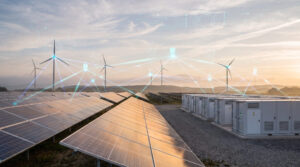
The green energy allocation for LSS5 is 2 gigawatts (GW), more than double the allocation in the Fourth Large-Scale Solar Power Programme (LSS4) implemented three years ago, indicating that the government is placing more importance on solar power than before.
LSS5 is also seen as a continuation of the Corporate Green Power Programme implemented last year.
LSS5 division
According to documents from the Energy Commission (EC), solar power generation is classified into four categories based on the type of power generation and the type of company, and the permitted generating capacity for each category ranges from 1 megawatt (MW) to 500 MW.
According to EC documents, the power generation capacity and details of each category are as follows:*2
In addition, participation by foreign companies, which was not permitted under LSS4, will now be permitted under certain conditions.
| distinguish | Rated capacity | Quota | Target projects and requirements |
| 1 | 1MW to less than 10MW | 250MW | Rooftop or ground-mounted solar power A company or consortium incorporated in Malaysia A minimum of 51% shareholding held by Bumiputera Holds a Certificate of SME Status from the Malaysian Small and Medium Enterprise Corporation |
| 2 | 10MW or more but less than 30MW | 250MW | Rooftop or ground-mounted solar powerMalaysian company or consortium (a consortium consisting of at least one Bumiputra company incorporated in Malaysia and a foreign company in which the Bumiputra company has a minimum of 51% ownership)Bumiputra must hold a minimum of 51% of the shares |
| 3 | 30MW or more but less than 500MW | 1,000MW | Rooftop or ground-mounted solar power generationA company incorporated in Malaysia with at least 51% Malaysian capitalA consortium with at least one company incorporated in Malaysia with at least 51% Malaysian capital |
| 4 | 10MW~500MW | 500MW | Floating solar power generationA consortium with at least one company incorporated in Malaysia with at least 51% domestic capital. |
Solar plants developed under LSS5 must be operational by 2026, according to the EC.
Future developments regarding LSS5
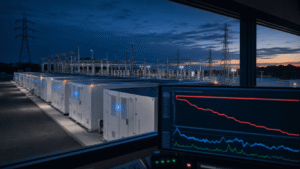
With the introduction of LSS5, state-owned power companies such as TNB will need to expand their grids to prepare for the introduction of a total capacity of 2GW.
However, expanding the grid cannot be done overnight, so there is an urgent need to develop a system for transmitting electricity without putting a strain on the grid by implementing measures to make effective use of the existing grid in parallel with the expansion of the grid.
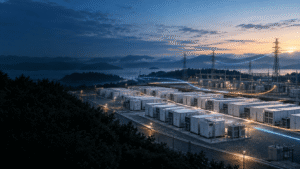
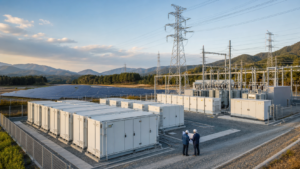
In Japan, too, electric power companies are working to expand their grids, but because this takes time and money, the government is providing subsidies to develop grid-connected energy storage facilities in order to make effective use of existing grids.
In my personal opinion, I believe that LSS5 may lead to an increase in the grid storage plant business in Malaysia as well.
summary
This time we explained about Malaysia's LSS5.
I plan to post articles about renewable energy not only in Japan but also overseas.


comment