Introduction
This time, we will look at CO2 reduction efforts in the distribution industry.
In recent years, as companies have placed increasing importance on reducing their environmental impact, efforts to reduce CO2 emissions in the distribution industry in particular have been attracting attention.
For example, Kao and Kirin Beverage have begun collaborating on transportation between their bases, aiming to reduce CO2 emissions by approximately 15% by eliminating the operation of more than 300 trucks per year.
This will be achieved by connecting previously one-way transport routes and making effective use of empty sections.
We believe that this type of inter-company cooperation is important not only for improving logistics efficiency, but also as part of sustainable economic activity.
In this article, we will introduce the current situation and efforts toward reducing CO2 emissions in the distribution industry, and consider the challenges that companies will need to address in the future.
Corporate efforts to reduce CO2 emissions (general discussion)
Toward the realization of a global decarbonized society, companies, to varying degrees, are working to reduce CO2 emissions through a variety of approaches.
In particular, there is a growing demand to reduce CO2 emissions across all corporate activities.
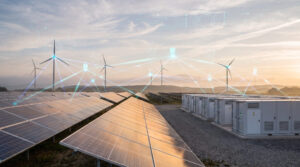
Specifically, by utilizing renewable energy, companies can expect to be able to significantly reduce CO2 emissions by switching the electricity they use in their factories and offices to solar, wind, and other renewable sources, and it seems that many companies are already working on this.
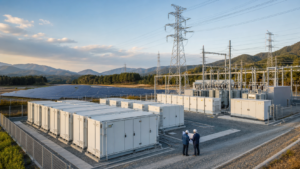
In particular, large companies are accelerating their efforts to install power generation facilities within their own companies and achieve local production and consumption of energy.
Improving energy efficiency can significantly reduce a company's power consumption by introducing LED lighting and using highly efficient air conditioning systems.
In addition, the introduction of energy management systems (EMS) that utilize digital technology is progressing, making it possible to monitor energy consumption in real time and minimize waste.
In addition, optimizing logistics will make it possible to reduce CO2 emissions associated with transportation.
For example, effective measures include reviewing delivery routes, implementing joint deliveries, and utilizing autonomous driving technology.
The initiatives by Kao and Kirin Beverage mentioned above can be considered to fall into this category.
Carbon offsets allow companies to offset their CO2 emissions by investing in reforestation or renewable energy projects.
As the carbon credit market develops, we believe it will become easier for more companies to use them.
We believe that through these efforts, companies can reduce their environmental impact while also improving management efficiency and increasing their brand value.
Distribution sector and CO2 reduction
The distribution industry is one of the key sectors in reducing CO2 emissions.
In particular, optimizing logistics networks and reviewing transportation methods will have a major impact.
Improving transportation efficiency
By promoting the sharing of logistics networks through inter-company cooperation, it will be possible to reduce unnecessary transportation and significantly curb CO2 emissions.
For example, when different companies pool their logistics resources, as in the collaboration between Kao and Kirin Beverage mentioned above, it is expected that transportation efficiency will improve.
In addition, demand forecasting using AI will enable the reduction of delivery surpluses and shortages and the creation of appropriate transportation plans.
We believe that it will become possible to achieve highly accurate logistics management based on data analysis.
Furthermore, by introducing autonomous driving technology, it is possible to calculate optimal routes and improve fuel efficiency. It is possible to reduce the artificial variability in driving and maintain a certain level of efficient operation.
(Although, this may be a long way off...)
Introduction of electric and hydrogen trucks
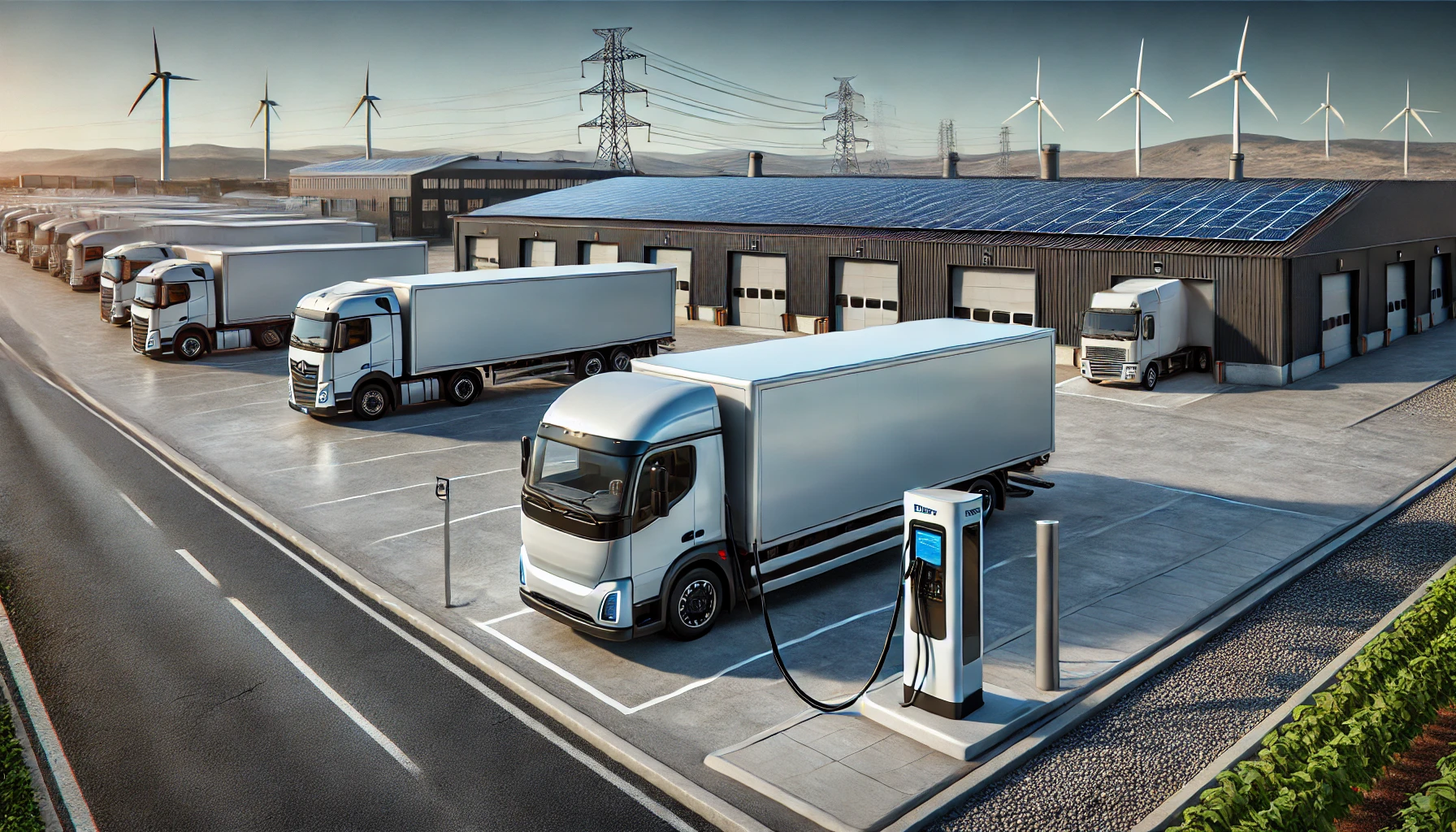
Although it may be a while before this happens, as electric trucks and hydrogen fuel cell trucks become more widespread, they will make a significant contribution to reducing CO2 emissions in the logistics sector.
As charging infrastructure and hydrogen supply networks are developed, it may become possible to achieve convenience that is comparable to that of conventional diesel vehicles.
Promoting modal shift
Although this is a discussion that will involve other industries, it is believed that by switching to rail and ship transport, it will be possible to significantly reduce CO2 emissions.
In fact, a modal shift is underway in Europe, and there is a need to accelerate this movement in Japan as well.
Areas of CO2 reduction that companies should pay new attention to in the future
Going forward, companies will need to seek more innovative ways to reduce CO2 emissions.
Some areas that may be worth considering are:
Carbon neutral certification obtained
First, we will consider obtaining carbon neutral certification.
Obtaining international certification such as ISO 14064 can strongly demonstrate a company's commitment to environmental protection (see the Ministry of the Environment slides for details on ISO 14064).
As investors and consumers become more environmentally conscious, carbon neutral initiatives are expected to become an important competitive factor.
Visualization of CO2 emissions using blockchain
In addition, the use of blockchain technology, which enables transparent data management, would make it possible to clearly demonstrate a company's efforts to reduce CO2 emissions, so the use of this technology is also worth considering.
At the same time, this is expected to contribute to revitalizing CO2 emissions trading (carbon credit market) between companies.
Changing consumer awareness and eco-logistics
Another point that needs to be considered is our efforts, and those of us at large, to change people's attitudes toward companies.
We live in an era where consumer purchasing behavior influences the environmental measures of companies, so we believe it is important to increase options such as eco-friendly delivery.
Other effective measures include reviewing delivery frequency and adopting packaging materials that have a lower environmental impact.
summary
As mentioned above, CO2 reduction in the distribution industry is progressing rapidly through corporate cooperation and technological innovation.
The initiatives of Kao and Kirin Beverage have demonstrated concrete results in this regard and are expected to have a positive impact on other companies.
Going forward, we can expect to further reduce the environmental impact by continuing to optimize logistics networks, introduce electric trucks, and promote modal shifts, as mentioned above.
We believe that accelerating the transition to carbon neutrality and contributing to the realization of a sustainable society is an important role not only for companies but also for us as consumers.




comment