Introduction
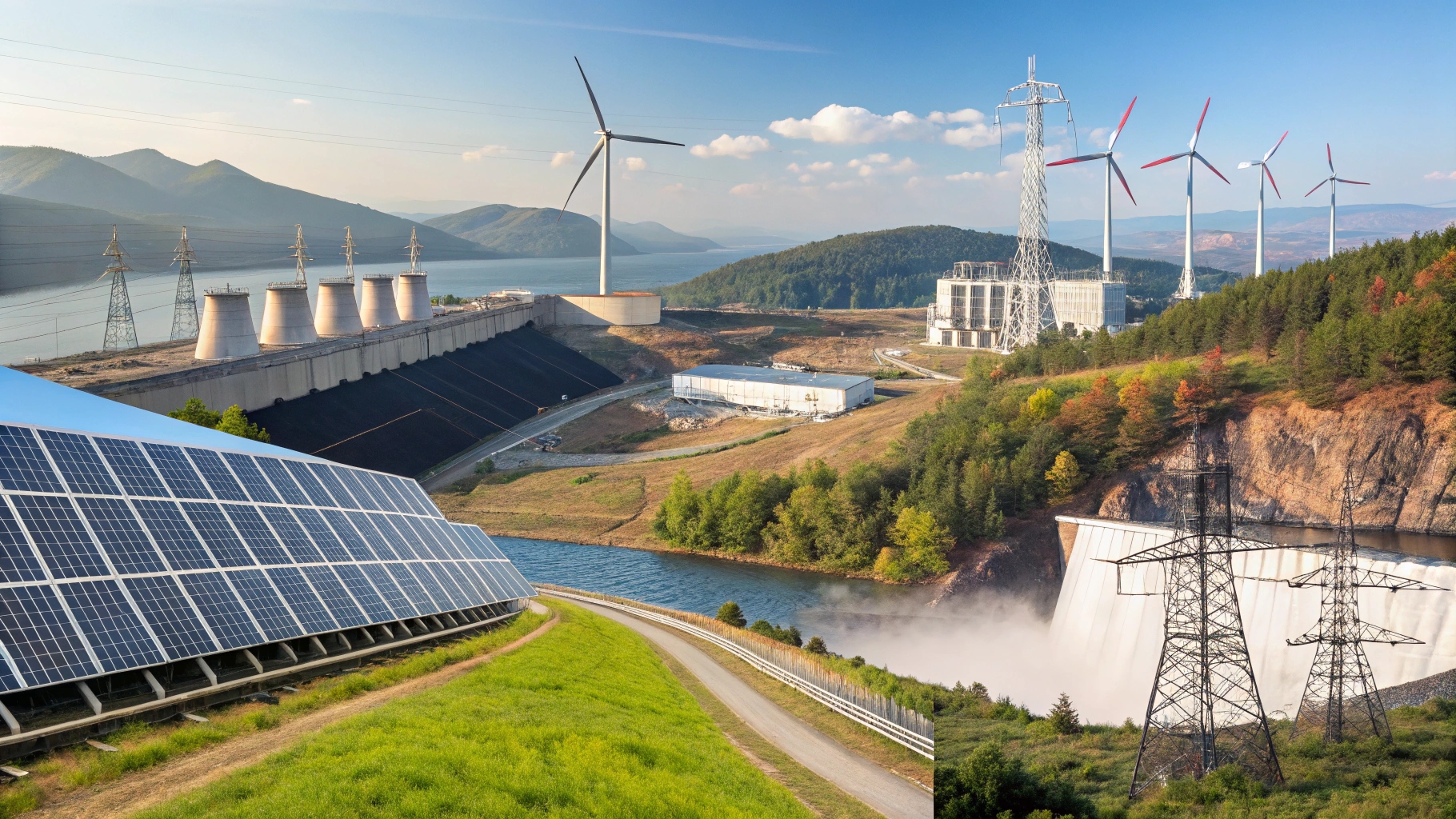
On February 18, 2025, the Japanese government approved the Seventh Basic Energy Plan at a cabinet meeting.
The plan outlines strategies to simultaneously achieve Japan's three goals of stable energy supply, economic growth, and decarbonization.
In particular, the report clarifies the outlook for energy supply and demand for fiscal 2040 and sets out a policy to balance energy security with the promotion of GX (Green Transformation).
Below, we will summarize the key points of this plan for those who are interested in it but feel that it may take some time to work through it.
After reading this plan, I personally feel that the area of nuclear power generation could be pushed further, but it also made me realize that the Great East Japan Earthquake had a truly huge impact on Japan's energy policy.
Outline of the Seventh Strategic Energy Plan
Below, we will provide an overview of the Seventh Strategic Energy Plan.
Please have a quick look at it, and if there's anything that interests you, please visit the Agency for Natural Resources and Energy website using the link at the beginning and take a look at the actual 7th Basic Energy Plan.
Changing energy situation
Energy policy is greatly influenced by changes in domestic and international situations.
In order to achieve both a stable supply of energy and decarbonization, it is essential to establish a sustainable supply system.
Changes in the international environment
The growing importance of energy security
Energy supply risks continue to be a factor due to Russia's invasion of Ukraine and the escalating situation in the Middle East.
In particular, instability in the LNG market and fluctuations in coal and oil supply chains are having an impact.
Changes in decarbonization policies
In Western countries, there appears to be a trend toward a more realistic approach that emphasizes a stable supply of energy, while maintaining carbon neutral targets.
For example, in the United States, the Trump administration is moving to withdraw from the Paris Agreement, while in Europe, efforts are being made to combine renewable energy with nuclear power.
Changes in the domestic environment
Increasing demand for electricity
Demand for electricity is increasing due to the progress of DX (digital transformation) and GX.
In particular, the expansion of data centers and semiconductor manufacturing is putting increasing strain on power supplies.
Impact on industrial competitiveness
A stable energy supply is essential for growth industries such as semiconductors, data centers, and the steel industry.
This has created a demand for electricity price competitiveness, and the government is exploring ways to curb energy costs.
Initiatives towards achieving carbon neutrality by 2050
Achieving carbon neutrality is not just an environmental policy; it is also closely linked to economic growth and energy security.
Japan aims to achieve a stable energy supply not only by promoting the use of renewable energy, but also by combining it with the decarbonization of nuclear and thermal power generation.
Greenhouse gas reduction
We will promote a transformation of the energy structure in order to achieve carbon neutrality by 2050.
The energy supply and demand outlook for fiscal 2040 sets a target for reducing greenhouse gas emissions by 73% compared to fiscal 2013, with expanded adoption of renewable energy and decarbonization of the industrial sector being key.
Optimizing the energy mix
We aim to make maximum use of renewable energy, make appropriate use of nuclear power, and make thermal power generation clean.
In particular, the introduction of thermal power generation using hydrogen and ammonia is being promoted, and policies are underway to move away from dependence on fossil fuels.
Expansion of decarbonized energy sources and grid development
To achieve a decarbonized society, a comprehensive energy strategy is essential that includes not only the introduction of renewable energy but also the decarbonization of nuclear and thermal power generation.
Strengthening the power grid and ensuring stable supplies are key to a sustainable energy policy.
Securing carbon-free power sources
To meet increasing electricity demand, we will make maximum use of renewable energy and nuclear power.
The energy supply and demand outlook for fiscal 2040 states that the introduction of carbon-free energy sources is essential, with particular emphasis on making renewable energy the main power source and utilizing nuclear power.
Promoting investment
We will promote investment in power sources and strengthen the power transmission grid to ensure a stable power supply.
The government will work to strengthen the power infrastructure and establish a system to support corporate GX investments, promoting a stable supply of decarbonized energy sources.
Promoting renewable energy
Renewable energy is one of the key pillars of Japan's energy policy.
It is necessary to promote technological innovation and establish a sustainable energy supply system while taking into consideration regional coexistence and environmental conservation.
Community coexistence and environmental conservation
As the introduction of renewable energy expands, we will promote harmony with the local community and reduce the burden on the environment.
In particular, there are concerns that the large-scale introduction of renewable energy will have an impact on the local landscape and ecosystem, and appropriate environmental assessments are required.
Promoting innovation
This will accelerate the development of perovskite solar cells and next-generation offshore wind power.
The government has set a goal of expanding the introduction of next-generation geothermal power generation by 2040, requiring further technological innovation and cost reduction.
Utilization of nuclear power generation
Nuclear power generation is one of the important options for achieving both a stable energy supply and decarbonization.
While ensuring safety is the top priority, there is a need to develop new technologies and utilize existing facilities.
Ensuring safety
We will strengthen safety measures based on the lessons learned from the Fukushima Daiichi nuclear power plant accident.
The government is working to improve the safety of existing reactors and strengthen disaster prevention measures based on the strict standards of the Nuclear Regulation Authority.
Furthermore, technological development and international cooperation are also considered important in back-end processing (decommissioning and radioactive waste management).
Development of next-generation innovative reactors
We will consider introducing new reactors with improved safety.
In particular, next-generation technologies such as small modular reactors (SMRs) and high-temperature gas-cooled reactors are attracting attention, and are expected to improve safety and optimize the nuclear fuel cycle.
Decarbonization of thermal power generation
Thermal power generation still accounts for a large portion of Japan's energy supply, but the introduction of efficient technologies is essential for decarbonization.
It is necessary to promote low carbonization through the use of LNG and the development of CCUS technology.
Reducing inefficient coal-fired power plants
We will promote the transition to LNG-fired power generation and the use of hydrogen and ammonia.
In the energy supply and demand outlook for fiscal 2040, decarbonization of thermal power generation is seen as an important factor, and the introduction of thermal power generation fueled by hydrogen and ammonia in particular is being promoted.
Promoting CCUS (Carbon Capture, Utilization, and Storage)
We will advance carbon neutrality in thermal power generation.
The development of CCUS technology is expected to significantly reduce CO2 emissions, and the Japanese government is working with industry to accelerate demonstration experiments.
Securing next-generation energy and its supply system
The introduction of next-generation energy sources is one of the core elements of Japan's energy policy.
The widespread use of new fuels such as hydrogen and ammonia is expected to help realize a decarbonized society.
In order to ensure a stable supply of this energy, infrastructure development and technological development are essential.
Utilization of hydrogen, ammonia and synthetic fuels
It is seen as the key to achieving carbon neutrality.
In the energy supply and demand outlook for fiscal 2040, it is predicted that the use of hydrogen and ammonia will have a major impact on the energy mix, making large-scale infrastructure development and international cooperation essential.
Development of CDR (Carbon Direct Removal) technology
This is a technology for directly removing greenhouse gases, and when combined with CCUS (carbon capture, utilisation and storage) technology, it is expected to achieve more effective greenhouse gas reductions.
The Japanese government is actively supporting the development of these technologies and promoting their introduction in collaboration with industry.
Securing critical minerals
A stable supply of critical minerals is essential for the development of digital and renewable energy technologies.
Demand is increasing sharply in particular in the electric vehicle, battery, and semiconductor industries, and international competition to secure resources is intensifying.
The importance of securing resources
In order to promote DX and GX, we will strengthen our securing of rare metals, copper, etc.
In particular, with the energy transition toward 2040, demand for strategic minerals such as rare earths and lithium is increasing.
The challenges facing the country include utilizing domestic resources and promoting recycling technology.
Promoting international cooperation
We will expand cooperation with resource-rich countries to strengthen supply chains.
In particular, in order to ensure a stable supply of minerals, importance is being placed on concluding multilateral mineral procurement agreements and diversifying supply chains.
Communication with the public
Public understanding and cooperation are essential for the success of energy policy.
By increasing the transparency of policy-making, we will promote the creation of a sustainable energy society.
Information disclosure and increased transparency
Promote public understanding of the policy-making process and make it public.
There is a need to provide the public with the latest information on energy policy and increase the transparency of policy-making.
In particular, as GX progresses, understanding and cooperation from the entire society will be essential.
Education and awareness
Promote educational measures to disseminate basic knowledge about energy policy.
It will be important to deepen understanding of sustainable energy use through school education and seminars for the public.
Outlook for energy supply and demand in fiscal 2040
The 2040 energy supply and demand plan will be an important guideline for achieving both Japan's economic growth and the realization of a decarbonized society.
There is a need to improve energy self-sufficiency and optimize the power source mix, and it is essential to build a sustainable energy supply system.
Energy self-sufficiency rate
Increase it to about 30-40%.
From the perspective of energy security, it is necessary to make effective use of domestic resources and reduce international supply risks.
Amount of generated power
Increase to 1.1 to 1.2 trillion kWh.
As demand for electricity increases with the progress of DX and GX, it will be necessary to strengthen power generation capacity to maintain a stable supply.
Power configuration
The goal is for 40-50% to be renewable energy, 20% nuclear power, and 30-40% thermal power.
It will be important to achieve both decarbonization and economic rationality while striking a balance between each power source.
Greenhouse gas reduction
A 73% reduction compared to fiscal 2013.
In order to reduce CO2 emissions, the expansion of renewable energy, the appropriate use of nuclear power, and the introduction of CCUS technology are key.
summary
I have given a brief outline of the Seventh Basic Energy Plan.
This plan will be an important guideline that will mark a turning point in Japan's energy policy.
Technological innovation and international cooperation are essential to simultaneously achieve energy security, decarbonization, and economic growth.
The country's energy policy will basically be based on this plan, so companies will also be required to keep a close eye on future energy policy trends and respond strategically.
As someone who works in the renewable energy industry, I found myself very excited as I read this plan, wondering how the renewable energy field will develop in the future.



comment