Introduction
This time, let's take a look at data centers.
In recent years, the demand for data centers has expanded rapidly, and their importance is increasing in Japan as well.
However, Japan has its own unique characteristics, and factors such as the stability of the power supply, environmental conditions, and location must be taken into consideration.
In this article, we will explain the essential elements for operating a data center in Japan and their respective characteristics.
An essential part of the data center
The following are said to be essential elements of a data center (and there are of course many more):
- Electricity: High costs and the challenges of renewable energy
- Cooling system (water/air conditioning): Suitable for high temperature and humidity environments
- Network infrastructure: High-speed communications leveraging geographical advantages
- Physical safety (earthquake resistance, fire prevention, waterproofing): Designed specifically for a country prone to earthquakes
- Cybersecurity: Application of domestic laws and international standards
- Redundancy (backup systems): Strengthening resilience in the event of a disaster
I will give a brief explanation below.
Electricity: High costs and the challenges of renewable energy
Data centers consume huge amounts of electricity, but because Japan relies heavily on imports for much of its energy resources, electricity bills are high and rising operating costs are an issue.
Furthermore, as we strive to achieve carbon neutrality, there is a demand for the use of renewable energy.
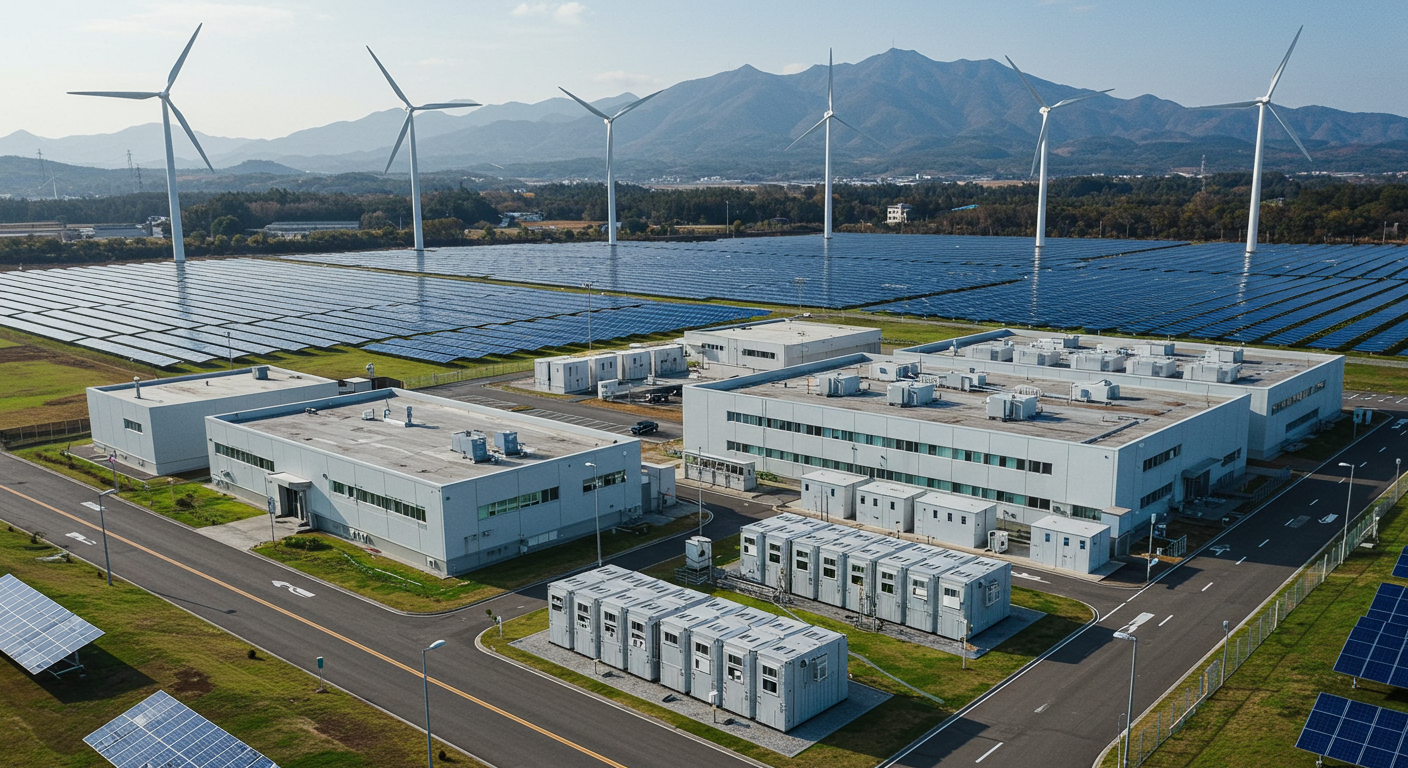
In particular, in Hokkaido and the Tohoku region, the establishment of data centers that utilize wind and hydropower is progressing, but there is a need to expand the supply of renewable energy nationwide.
Data centers require huge amounts of energy because they must operate 24 hours a day, 365 days a year.
Therefore, securing electricity and finding sustainable ways to use it have become important issues.
In particular, since a lot of electricity is consumed to operate temperature control and cooling systems, there is a demand for greater energy efficiency.
Many data center project owners are RE100 member companies, and greening electricity is directly linked to the sustainability of their business.
As a result, the introduction of long-term renewable energy procurement contracts (PPAs) is on the rise, and companies are being asked to develop operational strategies that are aligned with their environmental goals. In addition, in conjunction with the government's carbon neutral policy, companies are accelerating their efforts to proactively promote energy transition.
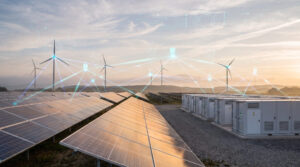
Data centers are increasingly making use of locally based renewable energy sources such as solar and wind power, as well as geothermal and hydroelectric power.
In particular, there is an urgent need to establish a renewable energy supply system that makes use of the abundant natural resources of Hokkaido and Tohoku, and there are an increasing number of plans for large-scale energy projects in cooperation with companies and local governments.
In addition, an energy management system that utilizes AI has been introduced, further optimizing electricity usage.
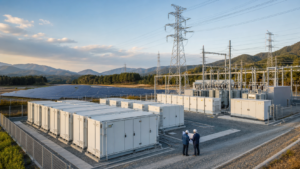
In order to improve the power efficiency of the entire data center, the use of smart grids and storage batteries is becoming increasingly important, with the aim of maintaining sustainable operations as energy infrastructure evolves.
Cooling system (water/air conditioning): Suitable for high temperature and humidity environments
Japan has four seasons, and the summer months are particularly hot and humid, so it is important to have an efficient cooling system.
In recent years, technologies that utilize immersion cooling and natural cooling have been attracting attention, and there are also moves to attract data centers to cold regions.
Additionally, compared to conventional air conditioning systems, water-cooling systems are increasingly being introduced, helping to reduce CO2 emissions and electricity consumption.
Water, in particular, is an essential element for cooling data centers, and the design of efficient water cooling systems is required, especially in high-density server environments.
Water-based cooling systems are said to have higher heat exchange efficiency than air-cooled systems, and can reduce energy consumption.
For this reason, many of the latest data centers are reusing cooling water and optimizing their circulation systems.
Additionally, cooling technologies that utilize groundwater and seawater are also being developed, and building sustainable cooling systems is becoming a challenge.
Network infrastructure: High-speed communications leveraging geographical advantages
Japan is one of the countries in Asia with the best developed telecommunications infrastructure, and is considered important as a hub for international data distribution using undersea cables.
For example, data centers are concentrated in metropolitan areas such as Tokyo and Osaka, providing low-latency, high-bandwidth communication environments.
On the other hand, strengthening connectivity with regional data centers is likely to become a future challenge.
Physical safety (earthquake resistance, fire prevention, waterproofing): Designed specifically for a country prone to earthquakes
Since Japan is a country prone to earthquakes, it is likely that the earthquake-resistant design of its data centers is among the best in the world.
An increasing number of facilities are being equipped with earthquake-resistant structures and fire- and waterproofing measures, and there is a need to ensure the safety of data even in the event of a disaster.
In addition to earthquakes, measures against typhoons and floods are also important, and it is believed that many data centers are being built inland or on higher ground.
Cybersecurity: Application of domestic laws and international standards
In Japan, personal information protection laws and cybersecurity measures are becoming stricter, and security measures at data centers are also being strengthened.
This appears to be due to the adoption of zero trust security and the acquisition of certifications by cloud providers (ISO 27001, SOC 2, etc.).
Redundancy (backup systems): Strengthening resilience in the event of a disaster
Redundancy is an unfamiliar term, so to briefly explain it, it is the ability of a system or infrastructure to continue functioning even in the event of a failure or disaster by having spare equipment or backups.
Redundancy in data centers is a highly valued part of business continuity planning and is a key design element for maintaining system availability and minimizing downtime.
Because Japan is prone to natural disasters, it is essential to introduce uninterruptible power supplies and emergency generators. These devices protect servers from momentary power outages and voltage fluctuations and supply power until the emergency generators can start up.
In particular, Japanese data centers are introducing diesel generators and battery systems in consideration of the risk of disasters such as earthquakes and typhoons.
There is also a need to secure long-term fuel supplies and establish a system for rapid replenishment.
Furthermore, redundancy does not only apply to power, but also to network duplication and data storage backup.
Many data centers use different communication carriers to provide redundancy, enabling continuous data transfer in the unlikely event of a failure.
In addition, to increase data security, it is becoming common to store backup data in a remote location.
In addition, the introduction of failure prediction systems that utilize AI is progressing, making it possible to detect anomalies and perform proactive maintenance.
In the future, from the perspective of more efficient energy management and reducing the environmental impact, it is hoped that emergency power sources that utilize renewable energy will be developed and carbon-free redundant systems will be built.
As such, ensuring redundancy is an essential element in operating a data center, and careful and strategic measures are required, especially in countries with a high risk of disasters such as Japan.
Summary: Future outlook for data centers in Japan
As mentioned above, while Japanese data centers have a high level of security and well-developed infrastructure, they face challenges in terms of electricity costs and renewable energy.
In the future, as there will be a demand for decentralized data centers and operations with a low environmental impact, it is expected that data centers will become closely linked to corporate ESG strategies.


comment