Introduction
This time, we will explain about bankruptcy and liquidation of renewable energy power generation companies.
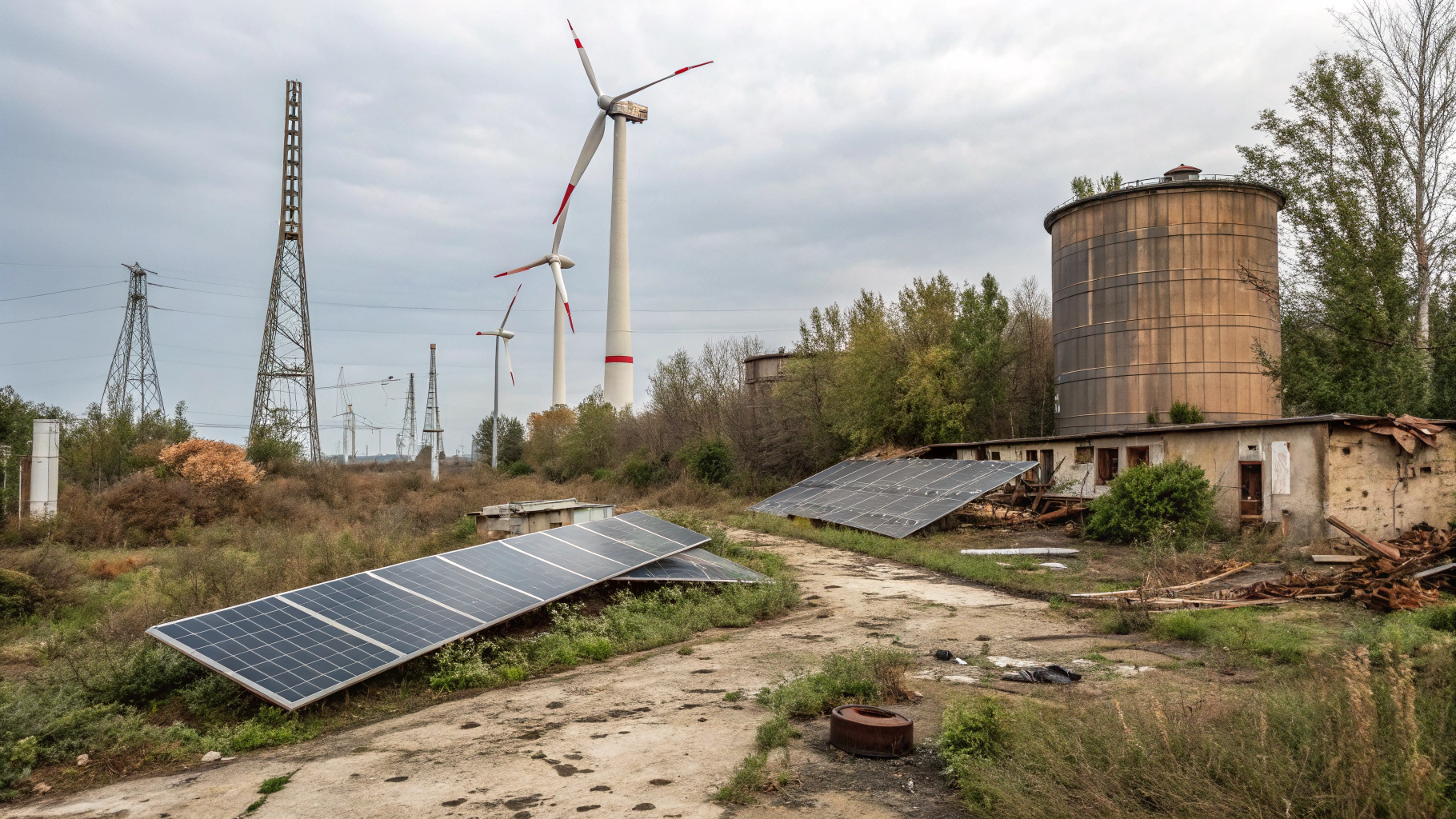
While the introduction of renewable energy is expanding rapidly, power generation companies are going bankrupt one after another. According to " Trends of bankruptcy, suspension, closure, and dissolution of 'power plants' (FY2024) " published by Teikoku Databank in May 2025, the number of power generation-related companies exiting the market in FY2024 was the highest ever.
This phenomenon is not simply a temporary wave in the industry, but is driven by a combination of factors, including the end of the FIT system, structural changes in the electricity market, and labor shortages.
In this article, we will take a look at the current state and future of the power generation industry, focusing on renewable energy companies, based on the latest statistics.
Summary of Teikoku Data articles
According to the survey report, the total number of cases of bankruptcy, suspension or closure, or dissolution of "power plant"-related businesses in fiscal 2024 (April 2024 to March 2025) will be 52 , the highest number since the survey began in fiscal 2014.
- Bankruptcies (legal reorganizations) : 8 cases (33.3% increase from the same period last year)
- Suspended, closed, or dissolved businesses : 44 cases (18.9% increase from the same period last year)
Although the number of bankruptcies is not large, if the total number of "businesses that have given up on continuing their business" - that is, if the number of companies that take the process of liquidating themselves, such as filing for bankruptcy, increases, it could have an impact on the structure of the renewable energy industry in the medium to long term, and the number of bankruptcies appears to be sufficient to give rise to this concern.
In particular, it appears that in many cases, companies choose to voluntarily exit because maintenance costs after capital investment are putting a strain on management and there is no prospect of improving profits .
Furthermore, many of the businesses that have gone bankrupt or suspended or closed down are small- to medium-sized solar power generation businesses that entered the market or established corporations after the FIT system was introduced in 2012.
Although these companies initially based their business plans on the assumption that purchase prices would be high, they were unable to adapt to changes in the system and falling prices, clearly revealing the disparity in their ability to deal with issues such as rising costs and aging equipment.
On the other hand, problems are becoming apparent with wood biomass power plants, such as soaring fuel prices, increasing maintenance costs, and vulnerabilities in the supply infrastructure , and a growing number of operators are finding it difficult to continue their business.
This trend of exiting the market is not merely a management decision, but is also closely related to changes in the external environment, such as the review of power purchase contracts and the successive withdrawal of new power companies .
The background to the increase in bankruptcies
The increase in the number of power generation companies going bankrupt or closing down is due to a combination of factors, including the following:
Reduction and end of FIT purchase price
When the Feed-in Tariff (FIT) system was first introduced, it encouraged the establishment of power plants by purchasing renewable energy electricity at a high price. However, in recent years the purchase price has been rapidly reduced, making it difficult for power generation companies to see any prospect of profitability.
Rising fuel and material costs
For example, in the case of wood biomass power generation, the prices of wood chips and pellets both domestically and internationally have risen sharply, raising maintenance costs and making it less profitable.
In addition, the procurement costs of panels and inverters at solar power plants are rising, which we believe is a factor worsening cash flow.
Equipment failures and increased repair costs
In power generation facilities that have been in operation for several years, there will likely be areas that gradually require part replacement or repair.
If such part replacement and repairs are neglected, equipment problems may occur, which may require partial or complete halt to power generation, which will inevitably result in a decrease in revenue from electricity sales.
Shortage of staff
Finding engineers and maintenance personnel can be difficult, especially for rural power projects.
Even in my previous job, there were some areas where we had difficulty selecting chief electrical engineers, who are essential for the installation of mega solar power plants.
I have also heard that there are a shortage of young electrical engineers, and with the overall aging of electrical engineers, it may become even more difficult to select them.
Future Trends Predictions
The environment surrounding power generation companies is expected to remain severe in the future.
The main trends predicted for the future are as follows:
End of FIT scheme and full-scale transition to FIP scheme
The FIT system (which has essentially already ended economically) will be gradually phased out and replaced by the FIP (Feed-in Premium) system.
The FIP system is based on the premise that renewable energy electricity will be traded at market price, with a certain premium being added, meaning that power generation companies bear the risk of fluctuations in electricity market prices.
In particular, it may become difficult for small and medium-sized businesses that are unable to predict or adjust to market trends to ensure management stability.
Structural review of the renewable energy surcharge system
The rise in surcharges (renewable energy cost burdens added to electricity bills) that accompany the spread of renewable energy has sparked social debate, and the government may consider reviewing the entire system in the future.
It is unlikely that the FIT price will be changed, but if the targets and levels of support are readjusted through a review of the entire system, it is likely that an increasing number of power generation companies will need to revise their business plans.
summary
As the Teikoku Data article indicates, the bankruptcies and closures of renewable energy power plants seem to highlight the structural issues facing the renewable energy industry.
The renewable energy power generation market, which expanded rapidly due to a previous policy boom, is now entering a "selection phase."
Operators are required to do more than simply generate electricity; they are also required to design revenue based on electricity market trends, comply with systems linked to market prices, and develop long-term operation plans that include maintenance and securing human resources.
The key to surviving the coming industry restructuring may be to "build a sustainable business model while scaling the business."


comment