Introduction
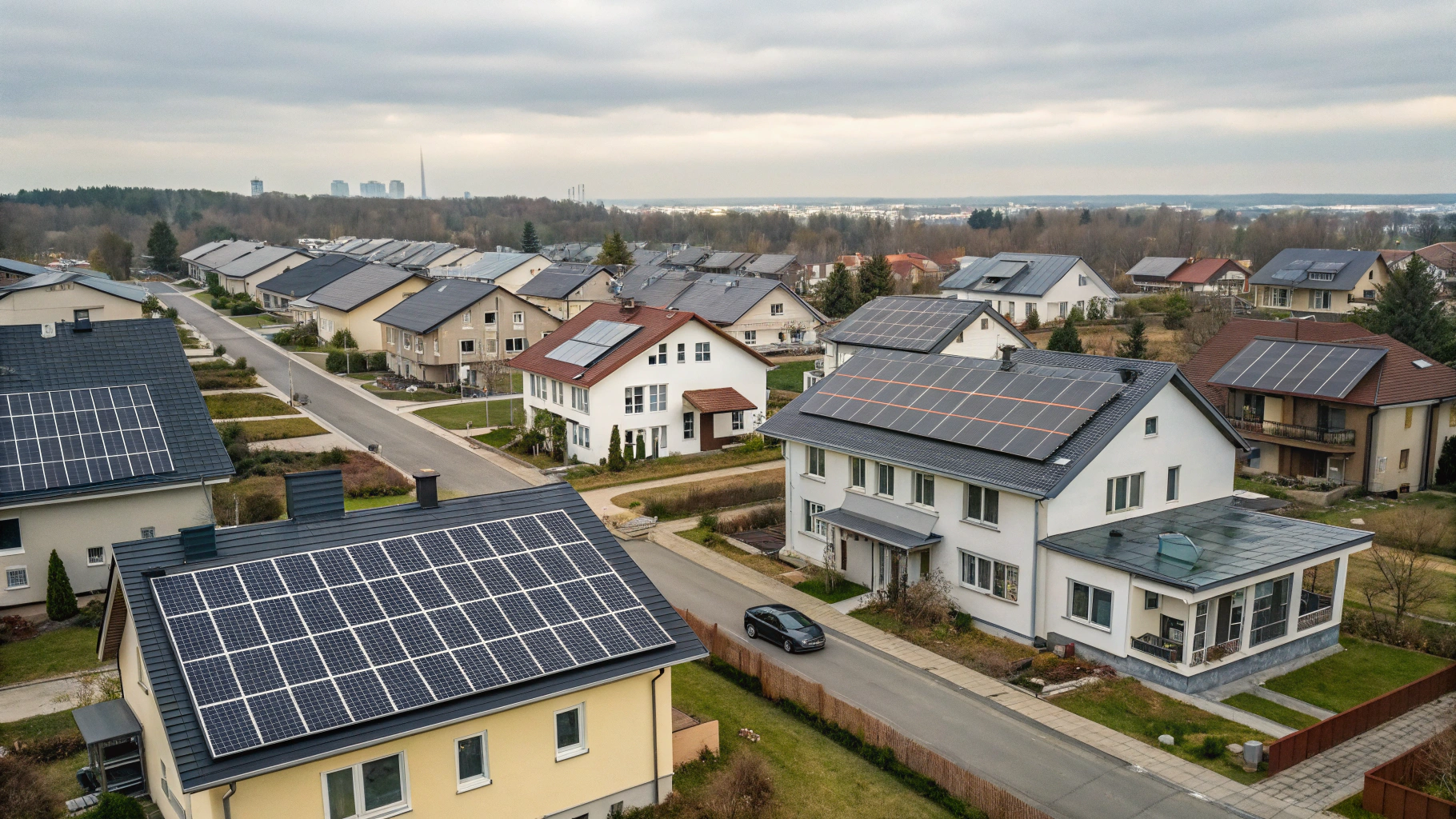
This time, we will explain the mandatory installation of solar panels on the roofs of homes, which is being introduced in various areas.
It has been revealed that Sendai City is aiming to introduce a system in 2025 that will make the installation of solar panels mandatory on newly constructed buildings.
If this comes to fruition, it will be the first time in the Tohoku region that the installation of solar panels becomes mandatory.
In this article, we will introduce an overview of Sendai City's proposed system, and go on to explain related systems across the country, the background to the system's establishment, its benefits and challenges, and future prospects.
Overview of Sendai City's proposed system
In Sendai City, a proposed system was announced in March 2025 that will require the installation of a certain amount of solar power generation equipment in newly constructed buildings.
" (Document 1) Regarding the system to promote the introduction of solar power generation and high insulation in newly constructed buildings "
This system is divided into two categories based on the size of the building.
Construction businesses that build new buildings with a total floor area of 5,000 m2 or more per year are also subject to the installation obligation even for small and medium-sized buildings with a total floor area of less than 2,000 m2.
On the other hand, for large buildings exceeding 2,000 m2, direct installation obligations are imposed when building new buildings or renovating/extending them.
The method of calculating the installation capacity varies depending on the target. The former is calculated based on the number of buildings that can be constructed, with 2kW per building as the standard.
The latter is based on the roof area, with a calculation of installing 0.15kW per square meter.
If this system becomes established, it will become mandatory for approximately 60% of new buildings in the city, which is expected to result in an introduction of 34 MW and a reduction of 39,000 tons of CO2 by fiscal 2030.
The trend of mandatory measures spreading among local governments nationwide
Not only in Sendai, but an increasing number of local governments across the country are making solar power generation mandatory.
First, starting in April 2025, Tokyo will make it mandatory for certain home builders to install solar panels on new homes with a relatively small total floor area if the total floor area of all homes they build in Tokyo each year exceeds 20,000 m2.
" A system requiring the installation of solar panels will begin in April 2025. "
As of the time of writing this article, it is May 2025, so it is likely that this system has already been implemented.
Under this system, the initial cost of installing a 4kW panel is estimated to be approximately 1.15 million yen, and it is estimated that the cost can be recovered in around 13 years.
In addition, Kawasaki City will also introduce a requirement to install them in certain buildings with a total floor area of 2,000 m2 or more from April 2025, as well as a system for businesses of a certain size.
" For those building or purchasing a new home in Kawasaki City (for residents) "
Additionally, Kyoto Prefecture and Kyoto City have been making it mandatory since 2012, and Nagano Prefecture and Gunma Prefecture are also revising or establishing new ordinances to make the installation of renewable energy facilities mandatory.
Why is installation now mandatory?
There are several major policy issues behind this trend.
First of all, the government's goal of reducing greenhouse gas emissions by 46% by 2030 (compared to fiscal 2013) is a major driver.
Additionally, in light of the recent surge in energy prices and geopolitical risks, there is an urgent need to improve energy self-sufficiency, and this is why attention is being focused on renewable energy, particularly solar power generation, which is easy to implement.
Furthermore, the nation's Seventh Basic Energy Plan also clearly states the expansion of renewable energy use in homes and buildings, and there are high hopes for measures at the local government level.
Benefits of introducing the system
According to documents released by the city of Sendai, the introduction of this system is expected to bring 34 MW of solar power to the city by 2030, and reduce greenhouse gas emissions by 39,000 t-CO2.
This achievement accounts for a large proportion of the city's overall decarbonization efforts.
Economically, although the initial cost is large, it is said that the costs can be recovered within 10 to 13 years of installation through reduced utility bills and the sale of surplus electricity.
In the case of Tokyo, estimates suggest that there could be economic benefits of up to 1.4 million yen over a 30-year period.
Furthermore, solar power generation is also effective in terms of disaster prevention. As a distributed power source, it is possible to provide an independent power supply in the event of a disaster, and it is expected to contribute to ensuring electricity for evacuees at evacuation centers and at home.
Real challenges and concerns
However, there are challenges to implementing the system.
For example, there is a challenge that making installation mandatory will likely increase construction costs, with the burden ultimately being passed on to home buyers.
Since the roof will be heavy at least due to the solar panels, the house will need to be strong enough to support it, so this is likely to be a burden on the home buyer.
In addition, there may be homes where installation is difficult or inefficient due to factors such as the shape or direction of the roof, or blocking of sunlight by surrounding buildings.
Another issue is disposing of solar panels after they have reached the end of their lifespan (usually around 20 to 30 years).
Because processing costs are high and there is a risk of soil contamination by hazardous substances, central and local governments need to work together to develop recycling infrastructure.
Towards a more sustainable system
Sendai City's system is advanced by national standards, but some ingenuity is needed to maximize its effectiveness without allowing the system to become a mere formality.
For example, it would be desirable to prepare flexible exceptions to accommodate cases where installation is difficult, as well as measures such as the alternative use of renewable energy certificates, and to expand subsidy systems and low-interest loans to reduce the burden of initial costs.
In addition, it is essential to provide careful explanations and information to citizens.
Because this is a policy that carries the force of obligation, a process is required to fully communicate the purpose of the system and its long-term benefits and gain understanding.
summary
Making the installation of solar power generation systems mandatory is not just a regulation; it will be the starting point for promoting the transition to a sustainable energy society.
Of course, there are many practical hurdles to overcome, but such systems are still expected to play an extremely important role in a society aiming for decarbonization and energy independence.
It is expected that local governments will continue to establish similar regulations in the future.
We believe that we need to keep a close eye on these trends in local governments and think together about how we can move forward with the introduction of renewable energy as a society as a whole.


comment